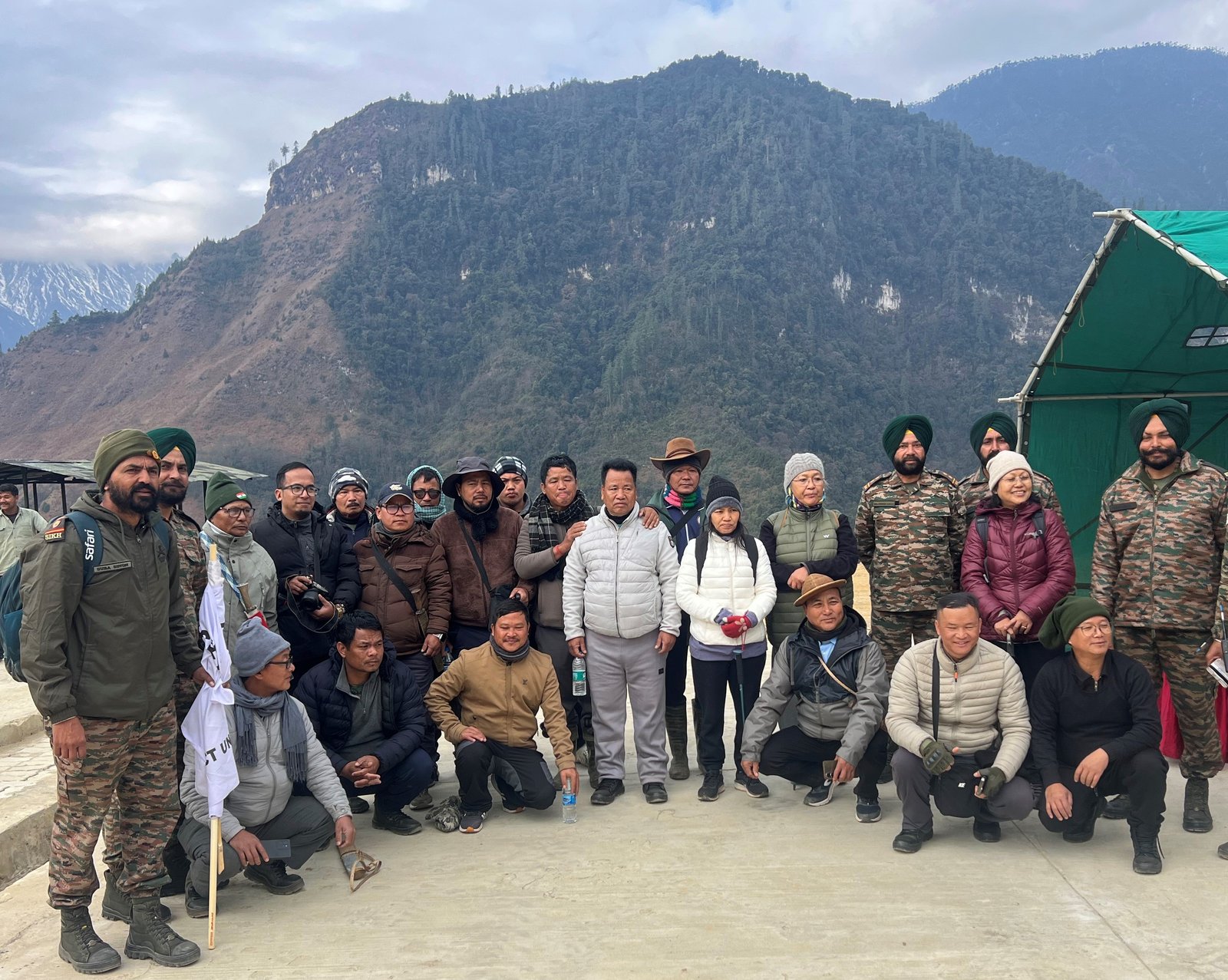
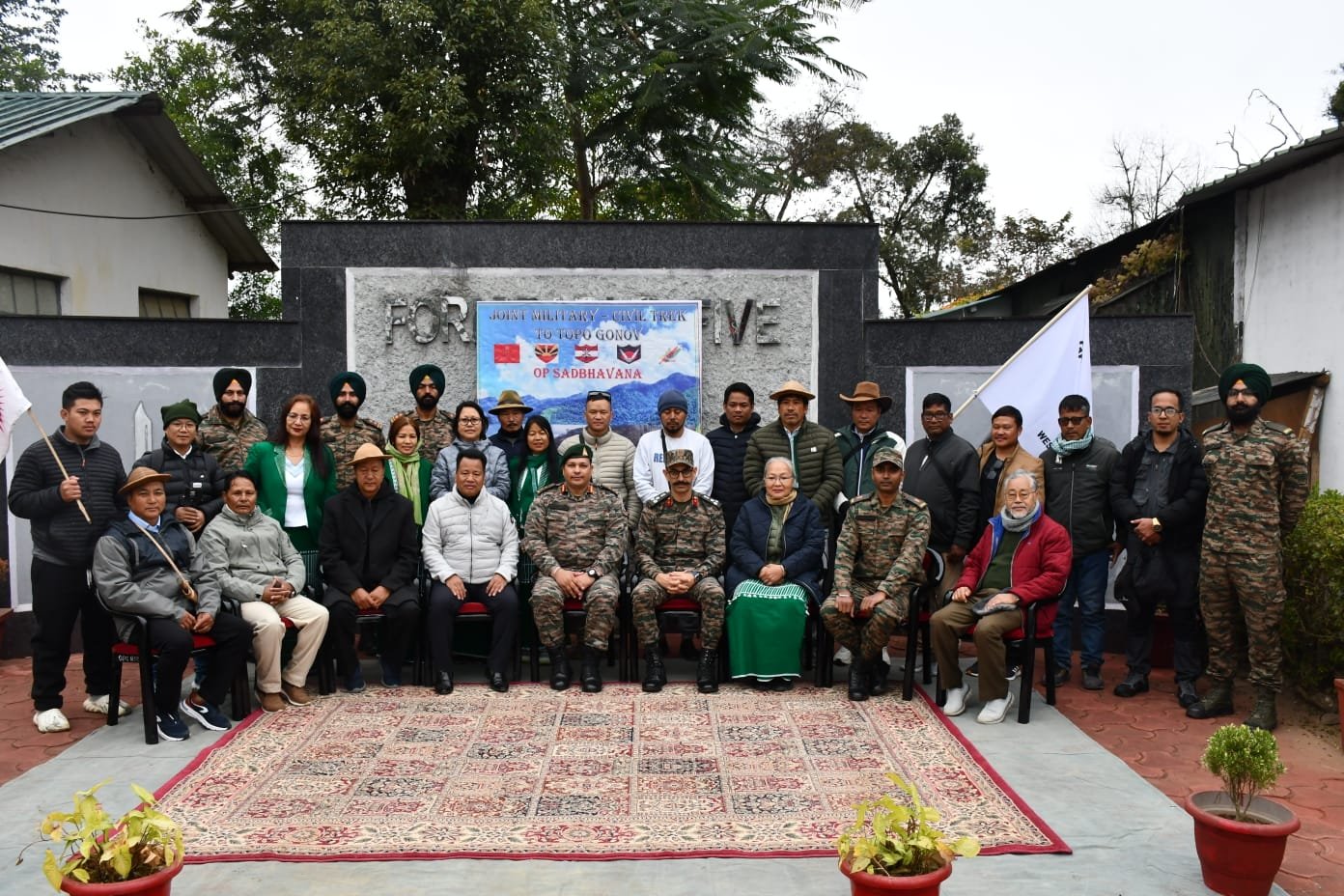
History often survives not in written records but through the collective memories of people. For the Galo community of Arunachal Pradesh, Topo Gonov is one such place where oral traditions continue to preserve our past. This year, I had the privilege of participating in the Second Military-Civil Trek to Topo Gonov, organised by the Spearhead Division under Spear Corps as part of Operation Sadbhavana. More than a trek, it was a journey to reconnect with our history and heritage.
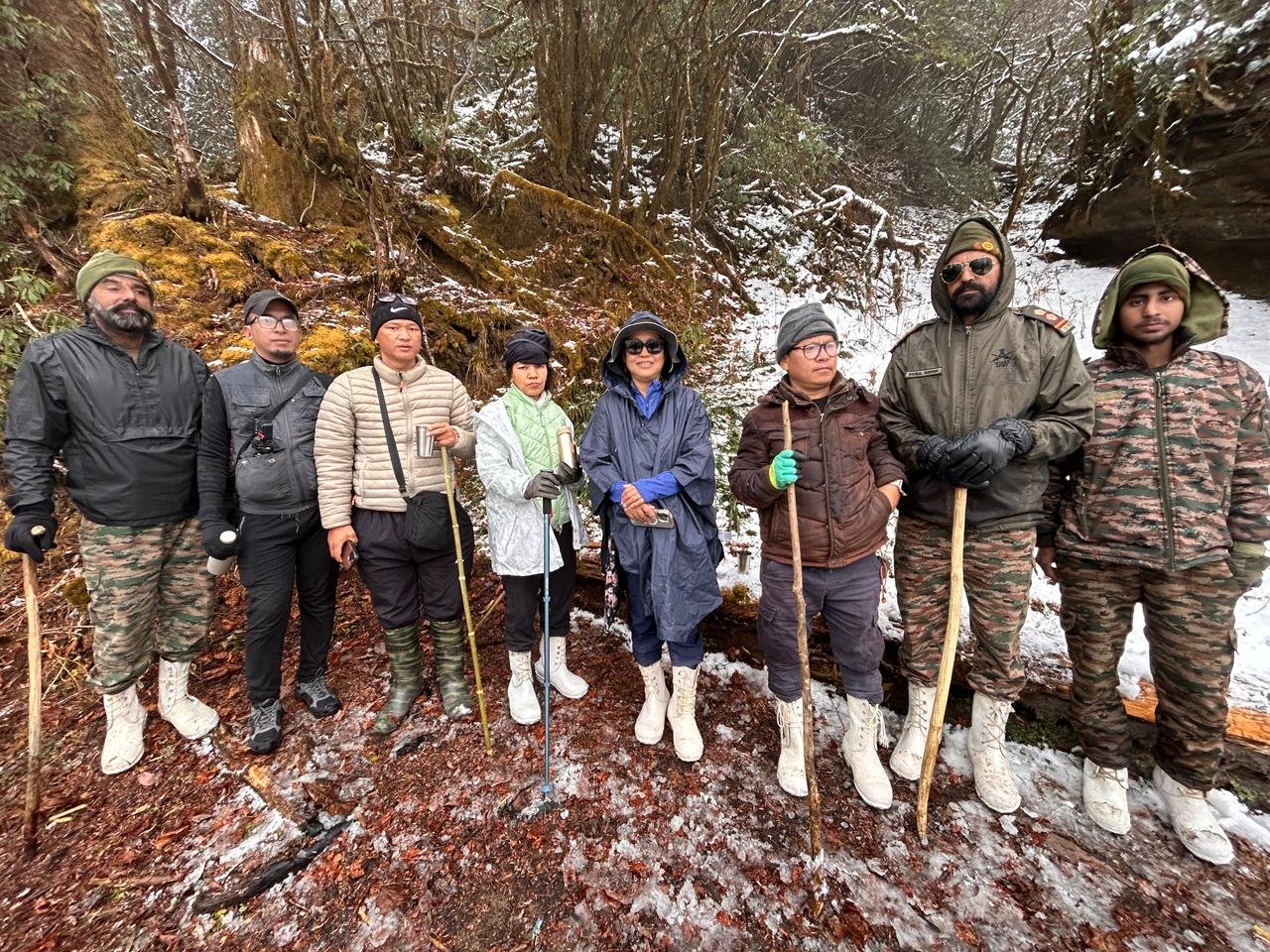
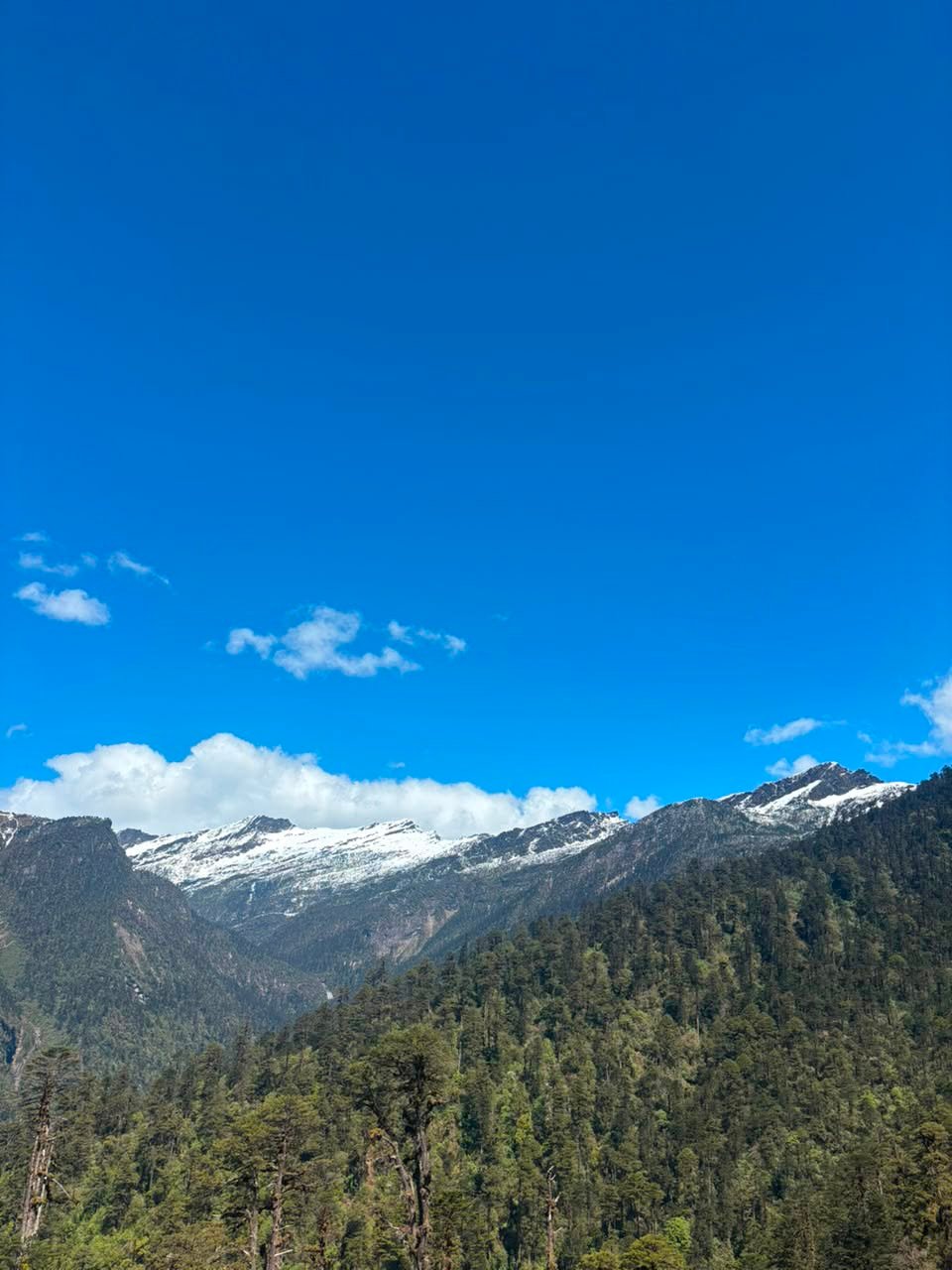
The expedition was flagged off from Aalo and travelled through Kaying, Tato and Manigong before reaching Henkar, a forward area, from where we began the final trek to Topo Gonov. The route itself reflected the realities of life in this remote part of Arunachal Pradesh. Roads remain largely unpaved, landslides are frequent, and access is often difficult. The trek through steep mountain slopes demanded endurance and careful footing. Reaching Topo Gonov required determination, teamwork and mutual support.
Topo Gonov occupies a special place in Galo oral history. According to our elders, Topo Gonov was a young woman who was being taken through these mountains for her marriage into present-day Tibet, reflecting the long-standing cultural and trade relations that once connected communities across the Himalayas. During the journey, a customary ritual required the bride to eat a few morsels of food at the boundary of her homeland before departing. As the story goes, one of her brothers, Mima, asked her to sit on a rock instead of spreading a mat as suggested by his elder brother, Midi. As she began eating, the rock slowly drew her into itself. Despite every effort, her brothers could not rescue her. Realising her fate, she asked for the ornaments prepared for her marriage before she disappeared into the stone. Elders say that her figure can still be seen on the rock.
Whether the present site is the exact location described in our oral tradition remains a subject of ongoing exploration. The search continues as community elders, researchers, and local residents work together, with the support of the Indian Army, to trace the historical landscape associated with the story. Yet, irrespective of the precise location, the journey itself represents an important step towards documenting and preserving the collective memory of the Galo people.
The expedition also demonstrated how partnerships between local communities and the Indian Army can contribute to preserving cultural heritage. Throughout the journey, the Army coordinated logistics, ensured our safety and facilitated movement through challenging terrain. The troops at the forward post shared their accommodation and resources, making participants feel welcome despite the limitations of operating in a remote area. Every interaction reflected mutual respect and cooperation, allowing us to focus on the significance of the journey rather than the hardships along the way.
As a Galo, I am deeply grateful to the Spearhead Division, Spear Corps and especially the soldiers of the 11th Sikh Regiment for making this pilgrimage possible. Their support transformed what could have been an arduous expedition into a meaningful experience of learning, reflection and shared purpose.
Initiatives such as this serve a larger purpose beyond adventure. They encourage younger generations to engage with their oral traditions, document community histories and appreciate the cultural landscapes that shape our identity. By walking the paths of our ancestors together, local communities and the Indian Army have demonstrated that preserving heritage is a shared responsibility, one that strengthens both cultural understanding and the enduring bond between the people of Arunachal Pradesh and those who serve in its frontier regions.
Read more →
Dr. Ripi Bagra
· New Delhi